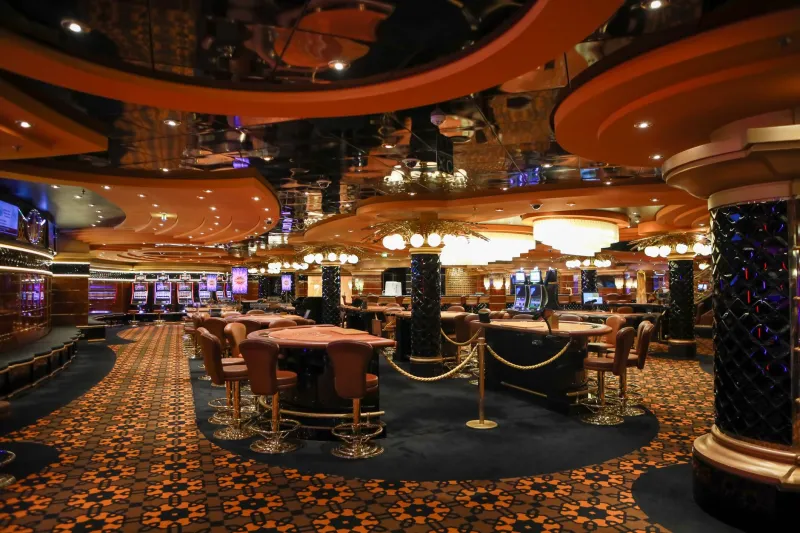
Felt Tables and Firm Handshakes: What America's Private Card Rooms Still Teach the Digital VIP Economy
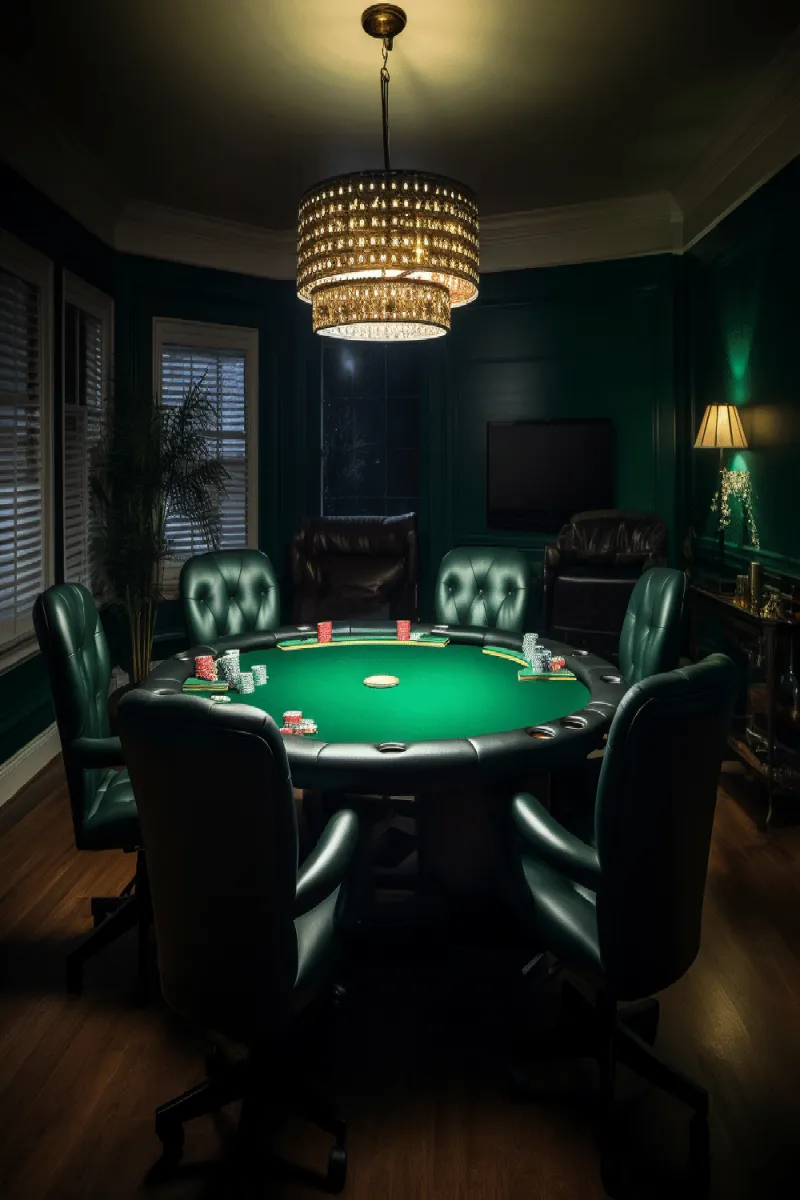
Photo: luxury private poker card room interior green felt table, via i.pinimg.com
The digital VIP economy runs on dashboards. Points accrue, tiers flash, hosts message at opportune hours. Yet in pockets of Texas and California, a quieter counter-model has been gaining ground: the private card room, where membership is decided by a person rather than an algorithm, and where the velvet rope is literal rather than metaphorical.
For elite players evaluating where their bankroll actually works hardest, the resurgence of these brick-and-mortar clubs deserves more than a nostalgic glance. It warrants an honest audit.
The Return of the Members' Club
States with restrictive or ambiguous gaming statutes have long incubated private club models. Texas card rooms operate under quirky legal frameworks that reward membership structures, while California's cardroom scene — concentrated around Los Angeles and the Inland Empire — has matured into a genuine high-stakes ecosystem with its own etiquette and economy.
What's changed recently is demand. Post-pandemic, a segment of wealthy players has shown renewed appetite for physical spaces where discretion is assumed, service is personal, and the competition is seated across the table rather than anonymized behind a screen.
What the Analog Model Actually Delivers
Strip away the mahogany and the whiskey service, and the question becomes transactional: what does a physical members' room provide that a digital VIP tier cannot?
Information density. At a live table, a skilled player extracts value from every visible tell, betting rhythm, and emotional lapse. Online, that layer simply doesn't exist. For players whose edge depends on reading opponents, the physical room isn't romantic — it's mathematically superior.
Relational leverage. A digital host manages hundreds of accounts. A club manager in a private room may know your preferred seat, your stake ceiling, and your tolerance for a cold streak. That relationship can translate into real accommodations: access to high-stakes games when they run, introductions to the right tables, and flexibility no automated tier system offers.
Structural friction. This sounds like a drawback, but for disciplined players it's a feature. Driving to a club, checking in, and sitting down imposes natural pacing. The one-click deposit is the most dangerous invention in gaming; the forty-minute drive is a quietly effective safeguard.
The Costs Nobody Puts on the Rack Card
Honesty requires the other column of the ledger.
The rake and time fees at many California cardrooms are materially higher than online equivalents. Minimums at private tables can be steep. Travel, meals, and the social obligations of club membership all compound. And the game selection is narrower — you play what's running, not what's filtered by a lobby.
There's also a selection effect worth acknowledging: the players drawn to exclusive physical rooms are often better funded and more serious. The soft game you're imagining may be seated somewhere else entirely.
Which Model Earns Its Keep?
The answer depends on what kind of edge you actually hold.
If your profitability derives from game selection, bonus optimization, and volume efficiency, digital VIP programs remain the better instrument — faster, cheaper, and infinitely scalable. If your edge lives in reading people, negotiating relationships, and exploiting live-game dynamics, the analog room offers returns no loyalty dashboard can match.
The most sophisticated players we observe don't choose. They treat the physical club as a deliberate, scheduled engagement — a focused session with defined stakes — and let the digital platform handle the everyday volume. Presence, deployed selectively, is the perk.
The velvet rope, it turns out, is only worth what's behind it. In the best American card rooms, what's behind it is still a genuine edge. In the worst, it's just a bigger minimum with better lighting. Knowing the difference is the whole game.